Cavity Wall Insulation Sydney
Cavity wall insulation in Sydney lets you insulate the walls of an existing home without pulling off plaster or rebuilding. Insulation Extract injects Knauf SUPAFIL® glasswool into suitable wall cavities through small holes in the mortar, filling the gap that has sat empty since the house was built.
Extraction & Batts
Get your free quote
This secure form sends your enquiry to our technical team, and we'll be in contact with you shortly.
Why Sydney walls are worth insulating
Most people insulate the ceiling first, and that is the right order. But once the roof is done, uninsulated walls become the next big path for heat. On a hot western Sydney afternoon, the sun bakes west-facing brickwork and the heat soaks through to the rooms inside well into the evening. In winter, cold walls pull warmth out of living areas, which is especially noticeable in climate zone 6 suburbs such as Penrith, Blacktown and Campbelltown.
Closer to the coast the extremes are softer, but Sydney's humidity means cold internal walls can attract condensation in winter. Filling the cavity keeps the inner surface of the wall closer to room temperature.
Which Sydney homes suit cavity wall insulation
Not every wall has a cavity that can be filled, so suitability is confirmed on site. In Sydney, the main candidates are:
Federation and interwar double-brick homes
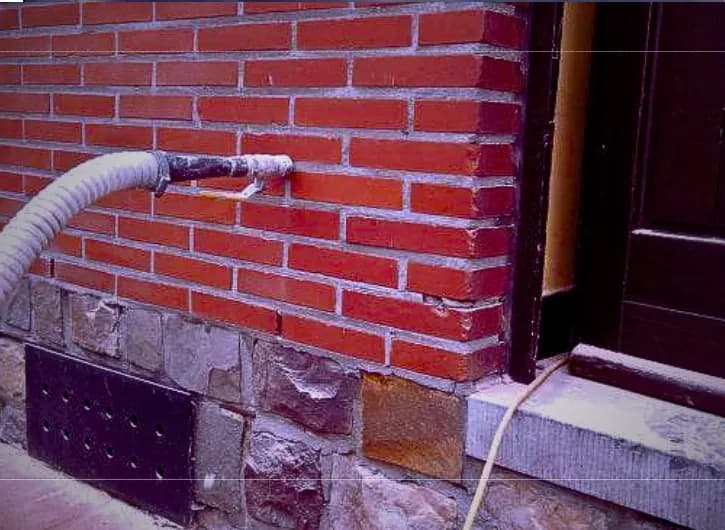
Many Federation and interwar homes in suburbs such as Haberfield, Ashfield, Strathfield, Concord, Kensington and the Lower North Shore were built with two skins of brick and a gap between them. That gap was designed to keep rain away from the inner wall, and it is ideal for an injected glasswool fill that is treated to repel water.
Later double-brick and brick homes
Double-brick construction continued in parts of Sydney through the mid twentieth century, including many red-brick homes and walk-up flats in the Inner West, St George and the North Shore. These can often be filled the same way.
Brick veneer and framed walls
Brick veneer, the most common construction across Western Sydney, the Hills District and the Sutherland Shire, has a brick outer skin and a timber or steel frame inside. These walls need a different approach, and in some cases the frame cavity can be insulated from inside or during a renovation. We assess veneer walls individually and tell you honestly whether a retrofit is worthwhile.
Weatherboard and fibro homes are a separate case again. Their walls are framed, often with no insulation behind the cladding, and we look at whether it makes more sense to insulate them from inside during a renovation.
Sydney terrace houses often share party walls with neighbours, so we focus on external walls only and check that the cavity is continuous before recommending a fill.
Knauf SUPAFIL® cavity wall insulation
SUPAFIL® is a glasswool product made for injecting into the cavities of new and existing masonry walls. It is treated to repel water, so it does not carry moisture across the cavity, and it fills the gap completely rather than leaving voids.
- Improves a typical 50mm double-brick cavity from around R0.6 to R1.9
- Made with up to 80% recycled glass
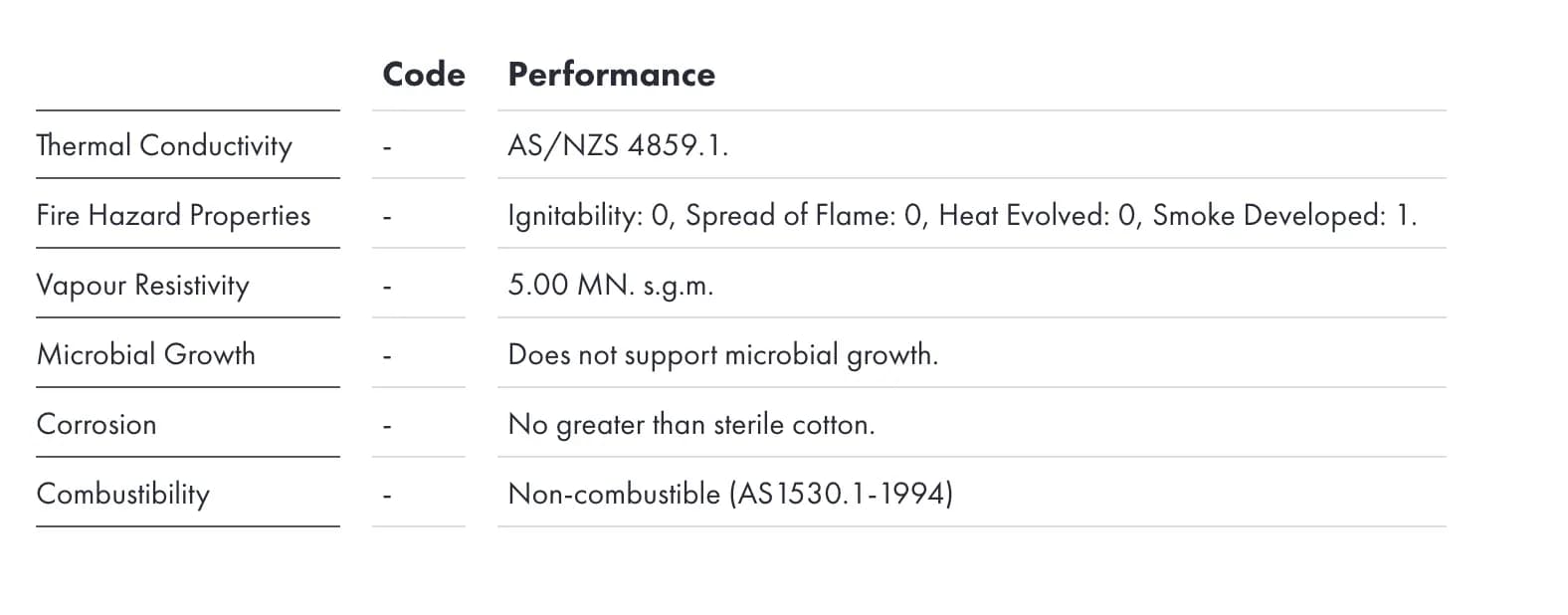
- Glasswool is non-combustible to AS1530.1
- Does not rot, sag or attract termites
- Helps reduce outside noise from traffic, trains and flight paths, a real bonus in parts of the Inner West and South West
How cavity wall insulation is installed
- 1
Wall survey
We check the wall construction, cavity width, weep holes, wall ties and any damp or cracking. Walls with existing moisture problems need those fixed first.
- 2
Drilling
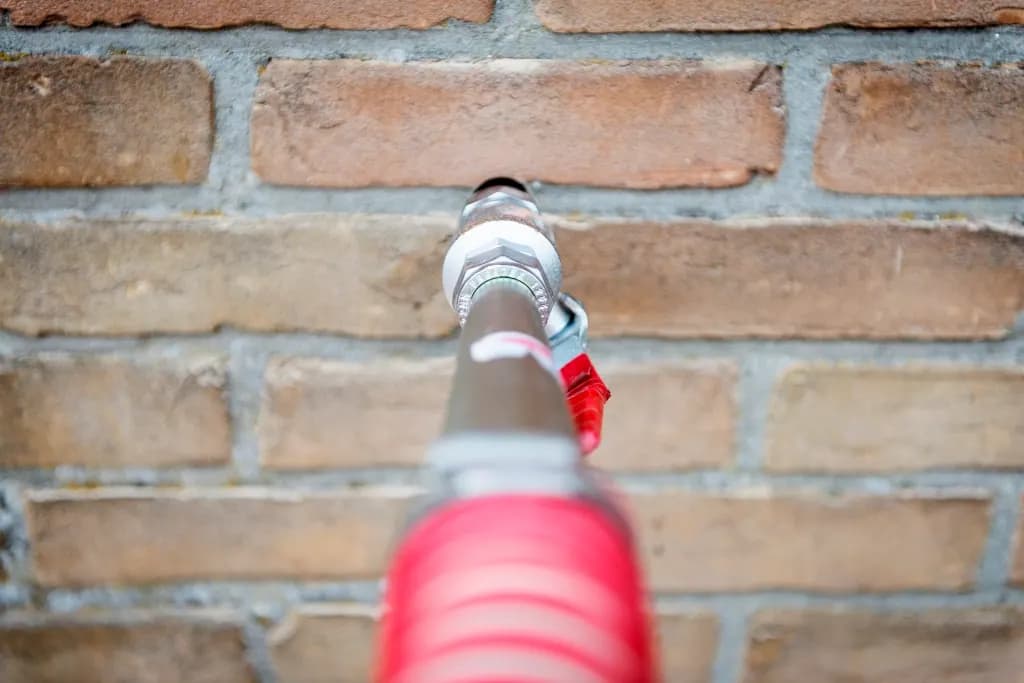
Small 30mm holes are drilled in a zigzag pattern through the mortar joints, not the bricks themselves, so they are easy to patch.
- 3
Injection
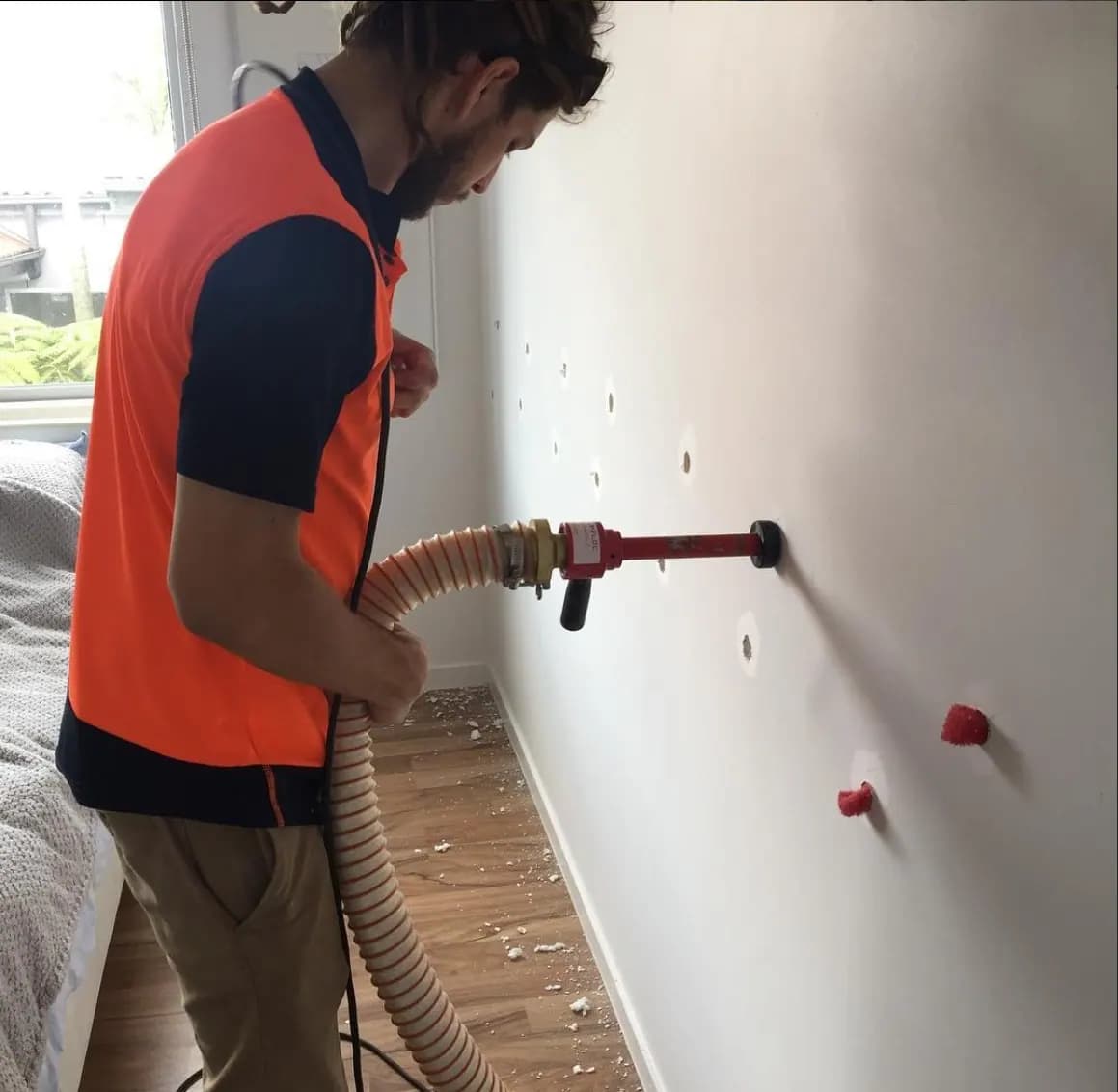
SUPAFIL® is pumped into the cavity under pressure until the wall is completely filled from bottom to top.
- 4
Patching
The holes are filled with mortar matched as closely as practical to the existing joints, and the site is cleaned up. Most homes stay lived in throughout the job.
Getting the order of upgrades right
Wall insulation works best as part of a plan for the whole house. For most Sydney homes, the order we recommend is:
- Ceiling first, because the roof space is usually the biggest source of heat gain and loss
- Walls next, where the construction allows a cavity fill
- Underfloor insulation for homes with suspended timber floors
- Draught sealing around doors, windows and old wall vents
We can assess all of these at the same visit, so you can see what each step would involve and decide what to do now and what to leave for later.
What to expect after the walls are filled
Rooms with insulated external walls tend to hold their temperature for longer. West-facing bedrooms that used to stay hot late into the night cool down more evenly, and living areas lose less warmth on cold evenings. Many homeowners also notice a quieter house, particularly on busy roads. Nothing changes inside the home, and the walls look the same once the mortar has been patched.
Cavity wall insulation across Greater Sydney
Our NSW depot is at Unit 4/1 Powdrill Rd, Prestons. We assess cavity walls across the Inner West, Eastern Suburbs, North Shore, Northern Beaches, Hills District, Western Sydney, South West Sydney including Liverpool and Campbelltown, the Sutherland Shire, the Central Coast and Wollongong.
Insulation Extract has been operating since 2014, is part of the Energy Efficiency Group (EEG), is EEC certified and has retrofitted more than 45,000 Australian homes. For a free assessment, use the quote form or call (02) 7233 1266.