Spray Foam Insulation Sydney
Spray foam insulation in Sydney is the answer for the parts of a home that batts cannot reach well: draughty timber floors, skillion roofs, tight terrace additions and awkward framed walls. Insulation Extract applies closed-cell polyurethane foam that bonds to the surface, insulates and seals gaps in one step.
Extraction & Batts
Get your free quote
This secure form sends your enquiry to our technical team, and we'll be in contact with you shortly.
What spray foam insulation is
Spray foam is applied as a liquid that expands within seconds and sets into a firm, airtight layer. Because it sticks to timber, metal and masonry, it fills the cracks and joins that let air leak through. Closed-cell foam provides an R-value of around R1.0 per 20mm of thickness and does not sag or slump over time the way loose batts can.
Closed-cell versus open-cell foam
Open-cell foam is softer and more flexible, a bit like a sponge. Closed-cell foam is denser and more rigid, gives more insulation for the same thickness and resists moisture better. For most Sydney retrofit work, especially under floors and in damp coastal conditions, closed-cell is the better fit.
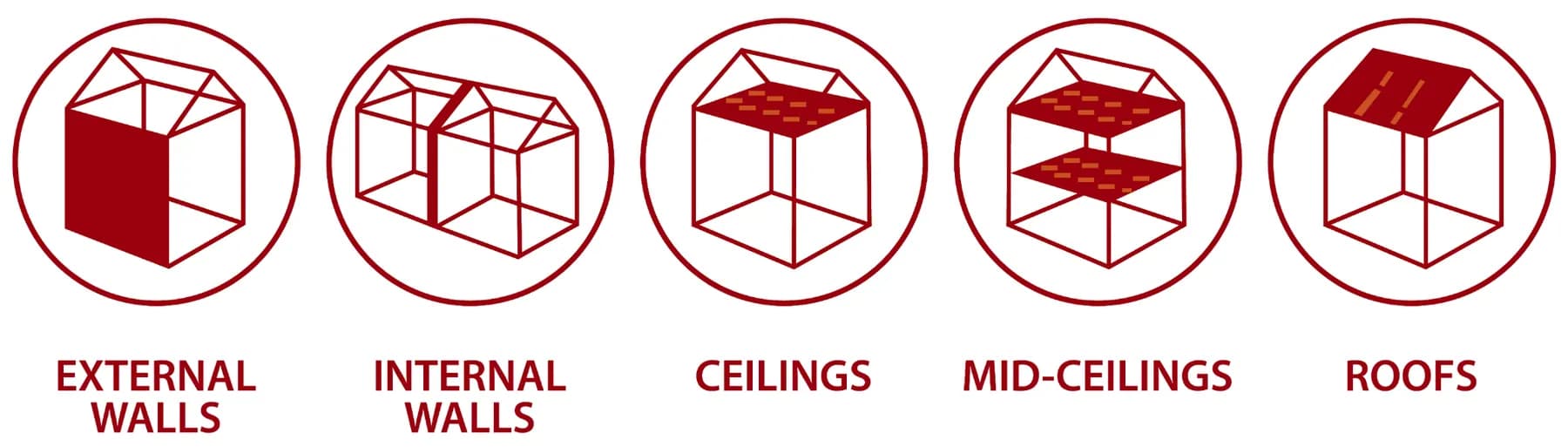
Where spray foam works in Sydney homes
Under suspended timber floors
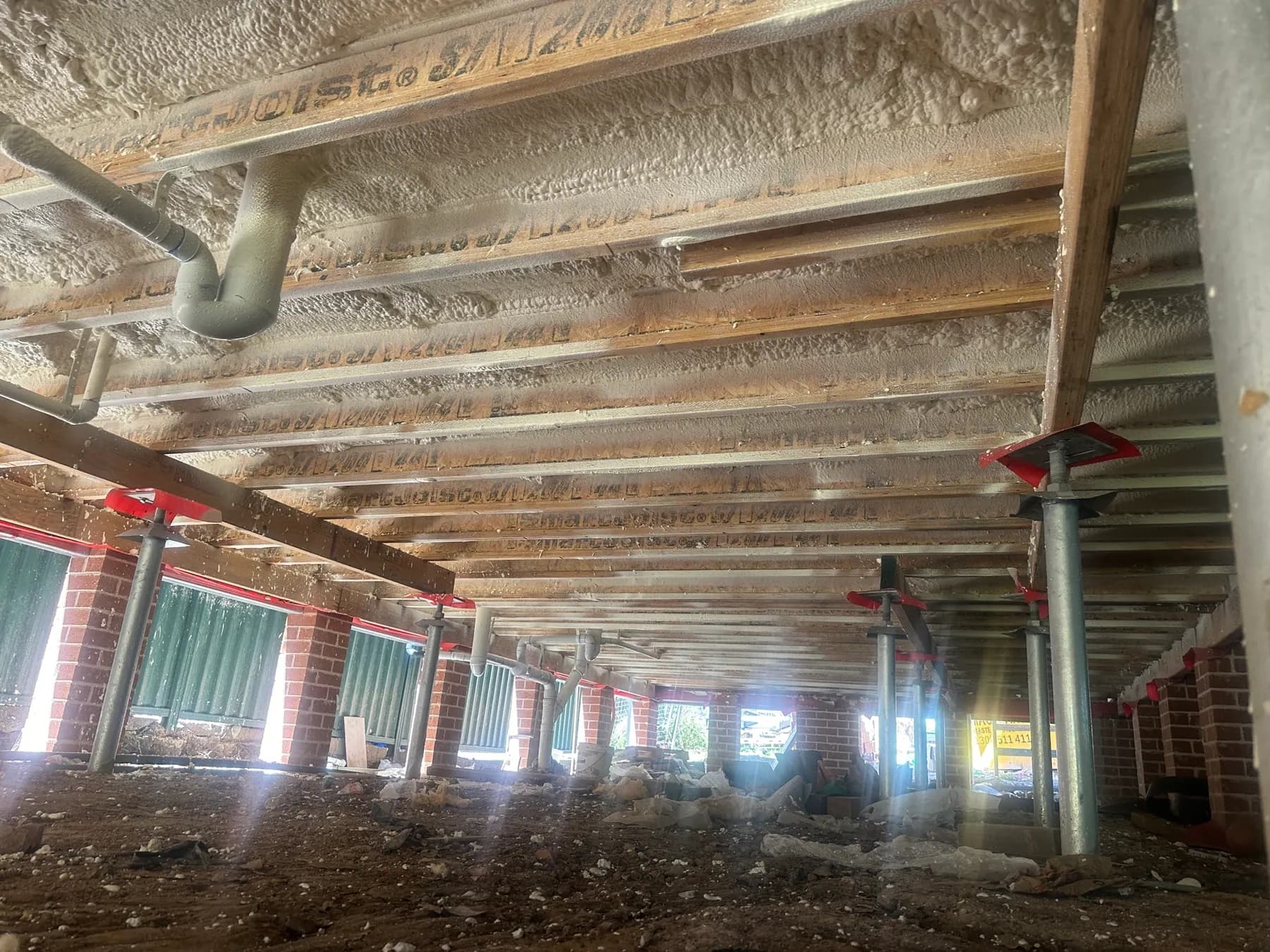
This is our most common spray foam job in Sydney. Federation homes, weatherboard cottages and houses on sloping blocks across the North Shore, Northern Beaches, Inner West and south west often have cold, draughty floors. Foam sprayed onto the underside of the boards and joists seals the gaps between boards and stops cold air coming up into the room.
Skillion and raked roofs
Many Sydney renovations and rear additions have skillion roofs with little or no space between the roof sheeting and the ceiling. Where the underside of the roof can be reached, a thin layer of foam can insulate where batts would be crushed or leave gaps.
Terrace houses and tight spaces
Terrace houses in Paddington, Surry Hills, Glebe, Balmain and Newtown often have lean-to kitchens and bathrooms at the back with very low roof spaces. Spray foam can reach these areas and seal the gaps that make them hot in summer and cold in winter.
Walls and other areas
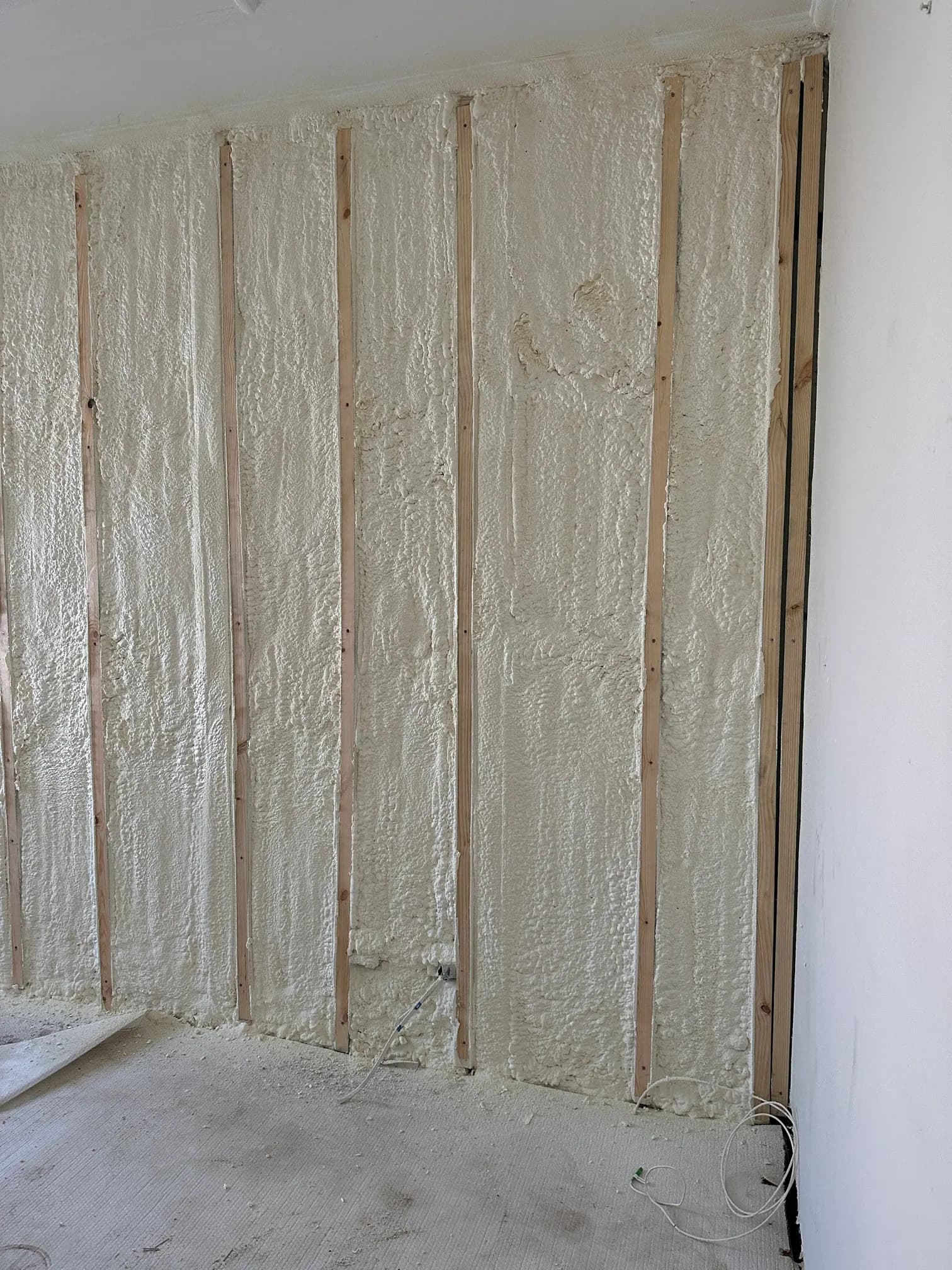
Foam can also be used in open framed walls during renovation and in other locations such as garage ceilings below bedrooms. We assess each area separately, because not every space suits foam.
Benefits for the Sydney climate
- Seals air leaks as well as insulating, which reduces draughts in winter
- Slows heat coming through roofs and floors during hot western Sydney summers
- Resists moisture, useful in humid coastal suburbs and damp subfloors
- Fills gaps that pests use to get into floors and walls
- Dampens sound, helpful near busy roads, rail lines and flight paths
- Holds its shape and does not settle over time
Coastal and central Sydney falls mostly in NCC climate zone 5, and much of western Sydney is in zone 6, where colder winters make air-sealing and insulation under floors especially worthwhile.
Things to consider before choosing spray foam
Spray foam is a premium option. It is worth weighing up against batts:
- It costs more than batts for the same area
- It must be applied by trained installers with specialised equipment
- It bonds to the surface, so floorboard or roof repairs should be done first
- Wiring, plumbing and vents need to be planned around before spraying
We will also tell you when spray foam is not the right answer. If a cheaper product will do the job just as well in your home, that is what we will recommend.
For open roof spaces with good access, Knauf Earthwool® batts are usually the more economical choice. Many Sydney homes end up with batts in the ceiling and spray foam under the floor or in a skillion addition.
Spray foam in character and heritage homes
Spray foam is applied from underneath floors or inside roof structures, so it does not change the look of a Federation or interwar home. That makes it a useful option in conservation areas, where homeowners want a warmer house without altering original floorboards, ceilings or facades.
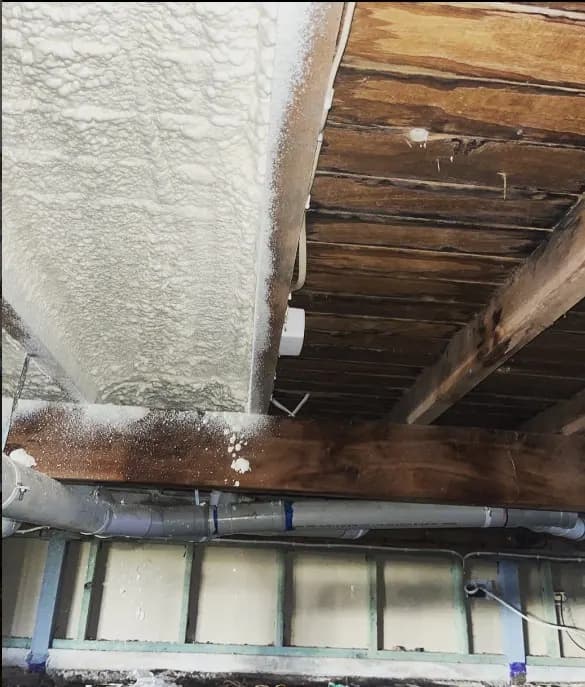
How a spray foam job runs
- Free on-site assessment of the area, access and surfaces
- Removal of any old insulation and preparation of the surface
- Protection of nearby areas and services from overspray
- Foam applied in even passes to the thickness specified
- A final check of coverage and a clean-up of the work area
Spray foam needs time to cure after it is applied, and the area is kept clear while that happens. We tell you how long to stay out of the work area and when the space can be used again, so you can plan the day around it.
Before any work in a roof space in an older home, we check the existing material. If your home was built before 1990, look it up on the NSW Loose-Fill Asbestos Insulation Register. We do not work on areas that may contain asbestos.
Spray foam insulation across Greater Sydney
Our NSW team works from Unit 4/1 Powdrill Rd, Prestons, and installs spray foam across the Inner West, Eastern Suburbs, North Shore, Northern Beaches, Hills District, Western Sydney, South West Sydney including Liverpool and Campbelltown, the Sutherland Shire, the Central Coast and Wollongong.
Insulation Extract has been operating since 2014, is part of the Energy Efficiency Group (EEG), holds ISO 9001, 45001 and 14001 certified systems and has retrofitted more than 45,000 Australian homes. Book a free assessment with the quote form or call (02) 7233 1266.