Understanding R-Value: Your Key to Effective Perth Home Insulation
Insulation Extract | Trusted by over 45,000 Aussie Home Owners
Extraction & Batts
Updated
At Insulation Extract, we believe that having a well-insulated home is the key to year-round comfort and substantial energy savings.
Understanding the R-Value of thermal insulation is crucial in making informed decisions about the right insulation products for your home. In this comprehensive guide, we will delve into the concept of R-Value, its significance, how it's calculated, and the best practices for choosing and upgrading insulation to maximise thermal efficiency in your home.
What is R-Value and Why is it Important?
R-Value is a measure of thermal insulation's resistance to heat transfer. Simply put, the higher the R-Value, the more effective the insulation is at preventing heat flow. This translates to less heat loss during winter, reduced heat gain during summer, and ultimately, substantial savings on your energy bills year-round.
The importance of R-Value lies in its direct impact on the insulation's performance. No matter which insulation brand or material you choose, if you don't select the appropriate R-Value for your home, you won't fully reap the benefits of insulation.
How is R-Value Calculated?
R-Value is determined by two primary factors: the thickness of the insulation product and its thermal conductivity.
The formula for calculating R-Value is as follows:
R-Value = Thickness (m) / Thermal Conductivity (W/mK)
In practical terms, a thicker insulation product with low thermal conductivity will have a higher R-Value, indicating superior insulating properties.
Choosing the Right R-Value for Your Home
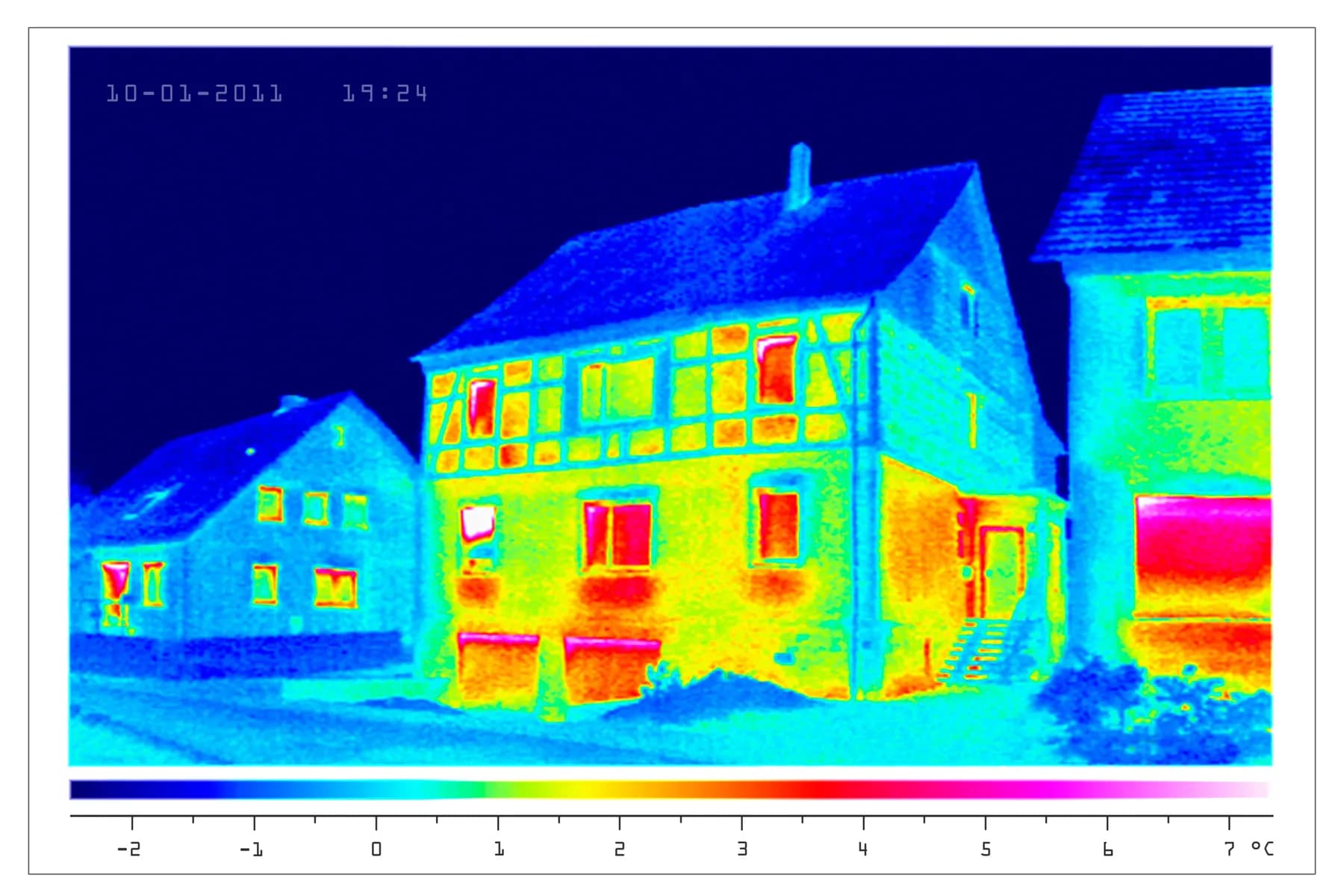
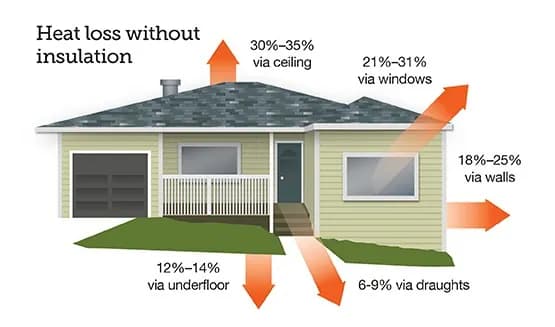
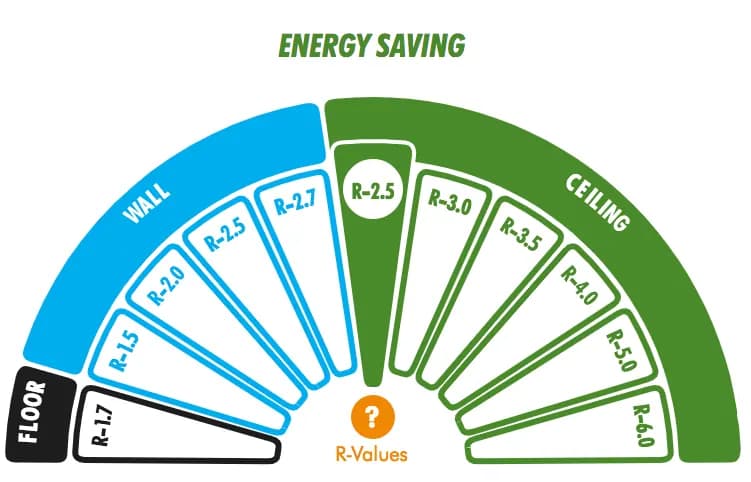
Selecting the appropriate R-Value for your insulation is crucial to ensure maximum efficiency and comfort in your home. Approximately 35% of heat loss is through ceilings, and 25% through walls. The recommended R-Value depends on your geographic location and home design.
Our recommendations for upgrading an existing home:
These recommendations are higher than the National Construction Code minimums for new homes. Under NCC 2022, a new home with a pitched roof and flat ceiling needs ceiling insulation of R2.5 to R3.0 in climate zone 5 (Perth and coastal Sydney), R3.0 to R4.0 in climate zone 6 (Melbourne and western Sydney) and R2.5 to R4.0 in climate zone 2 (Brisbane), depending on the roof colour, ventilation and what is under the roof (ABCB Housing Provisions, Part 13.2).
This ensures efficient heat regulation in milder climates.If you're uncertain about the right R-Value for your location, our insulation specialists at Insulation Extract are always ready to provide expert advice tailored to your specific needs.
- Perth: R3.5 to R5.0 in the ceiling and at least R2.0 in external walls.
- Brisbane: R3.5 to R5.0 in the ceiling and at least R2.0 in external walls.
- Melbourne: R5.0 to R6.0 in the ceiling and at least R2.5 in external walls.
- Sydney: R5.0 to R6.0 in the ceiling and at least R2.5 in external walls.
Upgrading to a Higher R-Value
As energy costs continue to rise, many homeowners are opting for higher R-Values than what's minimally required. Investing in a well-insulated home pays off in the long run, with reduced energy consumption, lower greenhouse gas emissions, and overall year-round comfort.
Typically, the payback period for home insulation ranges from 3 to 5 years. This means that the cost of insulation is recouped through energy savings within a relatively short timeframe. Remember, the higher the R-Value, the greater the potential for substantial savings on your power bills.
Comprehensive Insulation: Beyond Ceilings and Walls
While ceilings and walls are primary areas for heat loss and gain in a home, comprehensive insulation should also consider other essential areas.
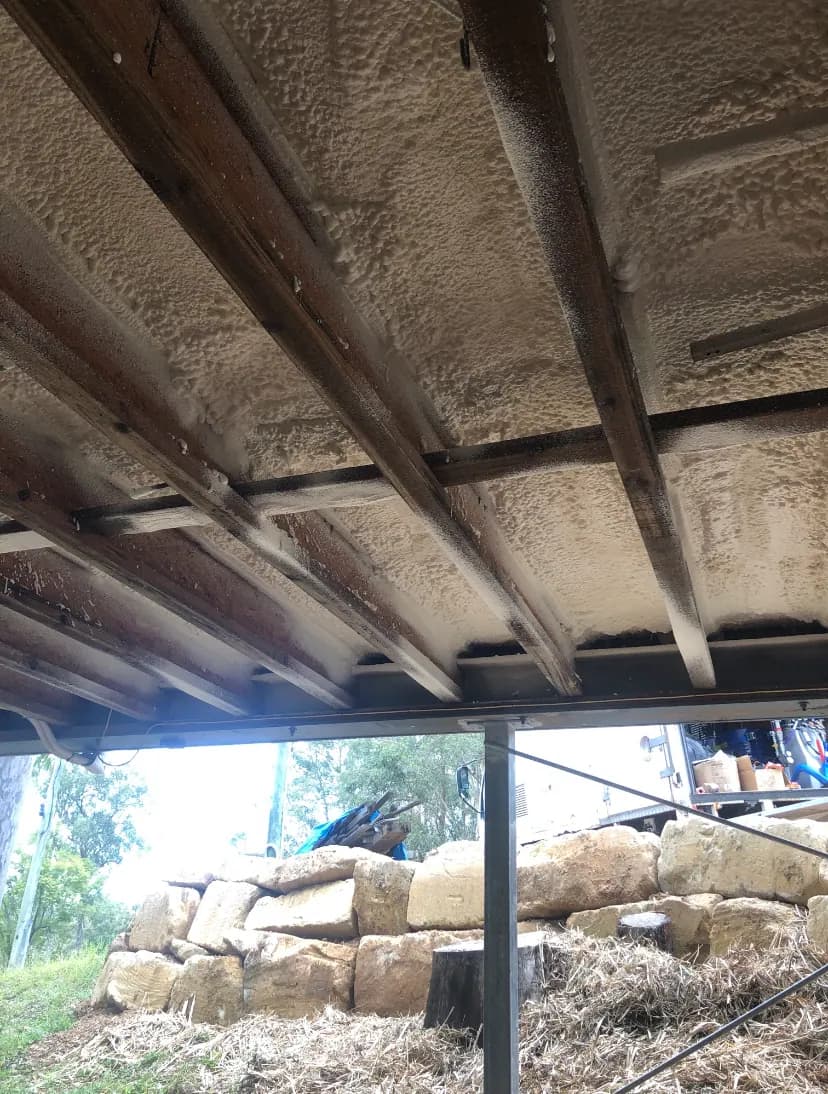
For underfloor insulation we recommend at least R2.0, upgrading to R2.5 in cooler cities such as Melbourne. Effective underfloor insulation helps maintain a comfortable indoor climate, especially during colder months.
Insulating internal walls and between floors allows you to create distinct climate zones for more energy-efficient heating and cooling. Additionally, installing R2.5 acoustic insulation in internal walls and between floors enhances sound insulation, providing a more peaceful living environment.
Installing R4.0 or higher ceiling insulation between floors not only improves thermal performance but also significantly reduces sound transfer. Our recommended product, Knauf Earthwool Sound Shield insulation with an R4.0 thermal rating, is perfect for this application.
When installed correctly, thermal insulation batts remain effective for a considerable time, with most fiber insulation brands offering guarantees of 30 to 50 years. However, improper installation, such as leaving gaps or compressing the batts, can accelerate wear and tear, leading to decreased efficiency.
Insulation batts generally have a longer lifespan than blown-in insulation. Blown-in insulation can settle over time, particularly in walls, reducing its effectiveness. For retrofitting wall insulation in existing homes, choosing insulation batts is the recommended approach.
The R-Value of any insulation product can be easily found on the packaging provided by the manufacturer. At Insulation Extract, we ensure complete transparency by clearly indicating R-Values for all our insulation products on our website.
If you require assistance or have specific insulation R-Value needs, don't hesitate to contact us. Our team of experts is always available to guide you towards the best insulation solutions for your home.
In conclusion, understanding and choosing the right R-Value for your thermal insulation are vital steps in creating a comfortable, energy-efficient home. With Insulation Extract's premium insulation products and expert advice, you can take control of your home's thermal efficiency and enjoy the benefits of a well-insulated living space year-round.
Why Choose Us to Install your New Insulation?
We are the only WA company to gain Knauf Insulation accreditation as a Approved Installer of Knauf Insulation blow in products. All our installers are regularly assessed and tested to ensure all installations meet the highest standards set out by our company goals and Knauf Insulation.
All the products we supply & install are CodeMark™ approved & tested. CodeMark™ is the highest level of product compliance in Australia, which is your assurance of the product’s suitability for use in your home and that it will perform as it should. CodeMark™ certification will also provide a smooth compliance pathway with local building authorities
Insulation Extract is both a HIA & Master builders member in WA. We are more likely to be up to date with the latest regulations and techniques and are committed to the sustainability of the industry as a whole. Members are also subject to a Code of Conduct, which contains ethical standards ensuring the highest quality of workmanship is achieved.
All our staff are fully insured. We have $20 Mil public liability and full workers compensation giving you peace of mind that you are dealing with professionals.
Our Perth services
Helpful resources
- Insulation Cost Guide: What Affects Your Quote | Insulation Extract
- Earthwool vs Bradford vs Pink Batts | Insulation Extract
- Batts vs Blow-in vs Spray Foam | Insulation Extract
- Remove Old Insulation or Top It Up? | Insulation Extract
- Staying Home During Insulation Removal | Insulation Extract
- Understand Insulation R-Value In Perth | Insulation Extract
- How Do I Know If My Insulation Has Asbestos?
- Polystyrene Beads for Insulation In My Home?
- What are the requirements for insulation in WA?
- Why Is My Old Insulation Turning Yellow?
- Government Insulation Finance | Insulation Extract