Blow-in Insulation Perth
Insulation Extract removes old blow-in insulation from Perth roofs and installs modern Knauf glasswool blow-in insulation, a non-combustible loose-fill that fills tight and awkward roof spaces where batts are hard to lay. We are a Knauf preferred installer, with free assessments across the metro area.
Extraction & Batts
Get your free quote
This secure form sends your enquiry to our technical team, and we'll be in contact with you shortly.
Updated
Blow-in insulation removal and installation in Perth
Blow-in insulation has two very different stories. The old material, often called "the fluff", is one of the most common things we pull out of Perth ceilings. The new generation of glasswool blow-in is one of the best ways to insulate a roof space that is low, cramped or broken up by trusses. On this page we cover:
- What the old blow-in insulation is and why it should come out.
- How we remove it safely from your roof space.
- What Knauf glasswool blow-in insulation offers today.
- Other options for existing homes, including Earthwool ceiling batts and Supafil® cavity wall insulation.
The problem with old blow-in insulation in Perth homes
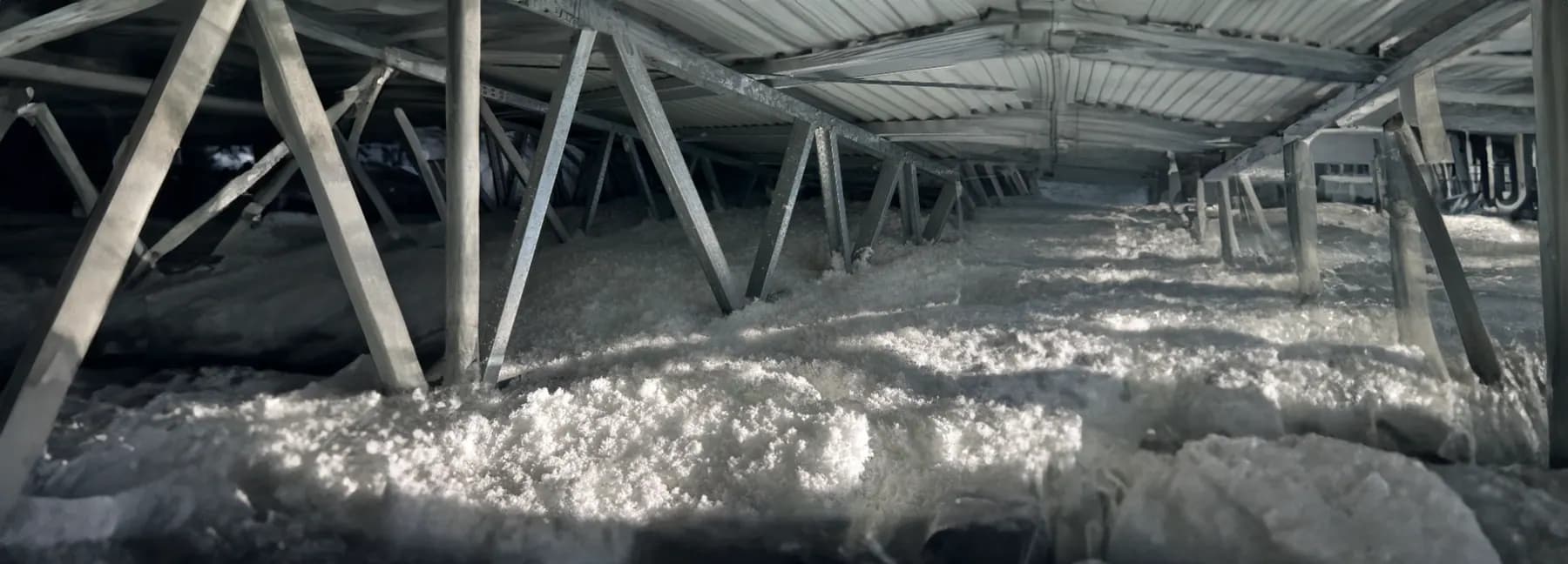
Old blow-in insulation, also known as loose-fill, cellulose or "the fluff", was installed in a great many Australian homes, and plenty of Perth houses still have it. It was usually made from shredded newspaper and organic cellulose, which leaves it dusty, ineffective and potentially harmful:
- It can contain residues such as lead from printing ink, plus boric acid and other chemicals added during manufacture, which can aggravate breathing problems, especially in young children.
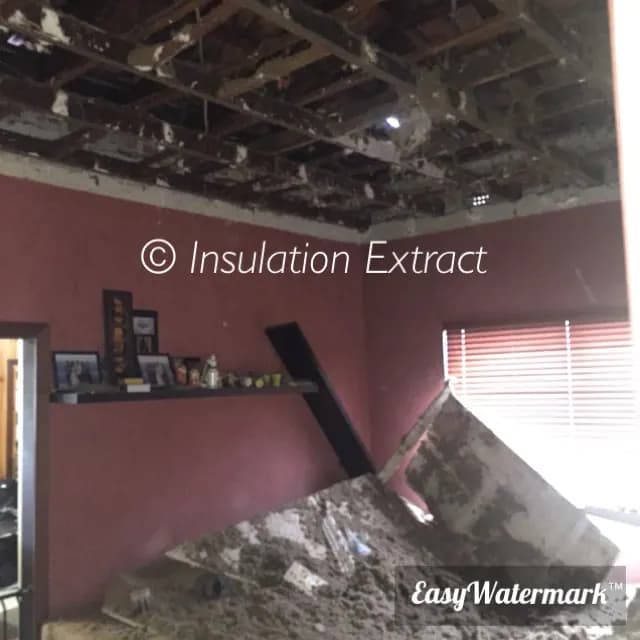
- It holds moisture, which leads to sagging ceilings and, in bad cases, ceiling collapse in older homes.
- It settles over the years, leaving thin patches and gaps that let heat straight through.
- It is a fire risk compared with modern non-combustible products.
In our experience, most old insulation barely meets 25% of the minimum requirements in today's building code. That is why removal is usually the first step before any upgrade.
How we remove old blow-in insulation
We use commercial insulation removal systems to extract old loose-fill directly from your roof space. A 25HP vacuum pulls the material down a large hose into sealed hoppers on our truck, removing the health hazards and dust problems with it. We access the roof from outside wherever possible, so the inside of your home stays clean. Homes built before 1990 are checked for asbestos first; we are not licensed to remove it and will stop if it is suspected.
Knauf glasswool blow-in insulation: benefits for Perth homes
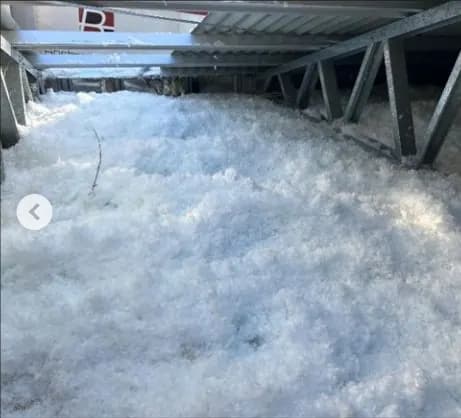
Loose-fill itself was never the problem. Small particles that can be blown into tight spaces and hard-to-reach areas give a seamless, even layer that batts sometimes cannot match. Knauf Insulation has taken that idea and remade it with glasswool, solving the problems of the old paper-based product.
Energy efficiency and thermal comfort
Blow-in insulation forms a continuous layer that limits heat flow in and out of your home. By reducing heat gain in a Perth summer and heat loss in winter, it cuts the work your air conditioner and heater have to do and lowers your energy bills.
Acoustic performance
As well as its thermal benefits, glasswool blow-in helps reduce noise from outside and between rooms, for a quieter home.
Made from recycled glass, no added formaldehyde
Knauf glasswool blow-in uses recycled glass as a main ingredient and contains no added formaldehyde, making it a more responsible choice for homeowners who care about their footprint.
Resists moisture and mould
Unlike old cellulose and paper blow-in, which hold moisture and grow mould, Knauf Earthwool Blow-In Glass is designed to resist moisture and keep its insulating properties in damp conditions, so it stays effective over time.
Less settling, consistent performance
Old cellulose settles and leaves gaps. Knauf Earthwool Blow-In Glass keeps its loft and coverage, and its manufacturing process gives an even density for reliable, long-lasting thermal and acoustic performance.
Non-combustible to AS1530.1
Knauf Earthwool Blow-In Glass is non-combustible to AS1530.1 and does not contribute to the spread of fire.
Versatile and quick to install
Trained installers use specialised equipment to blow the insulation into place, even in tight and irregular spaces. It suits ceilings and roof spaces of many types, including low-pitched roofs and skillion sections.
Our blow-in insulation installation process
Installing blow-in insulation takes installers who know the product. Insulation Extract is certified and accredited by Knauf Insulation as a preferred installer, and we are the only WA company to have gained Knauf accreditation as an Approved Installer of Knauf blow-in products.
- 1
Assessment and preparation
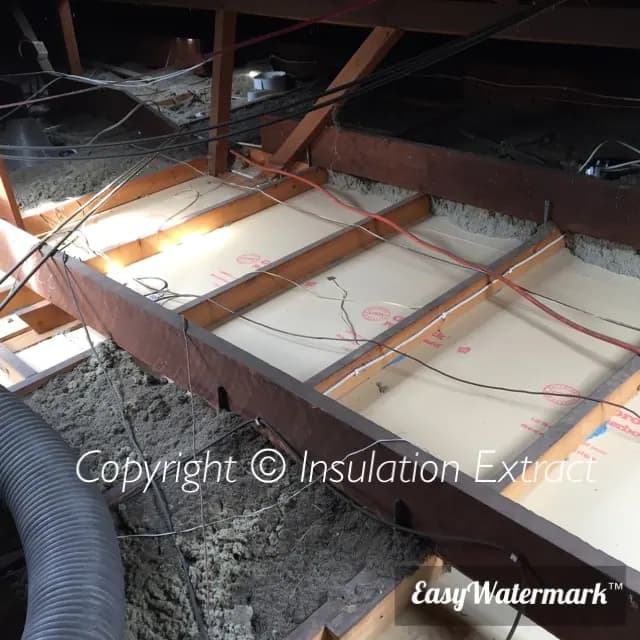
We assess your home, identify the areas that need insulation and work out how much is required. Sometimes Earthwool batts are the better option, and for walls we may recommend cavity wall insulation. We then prepare the space by removing old insulation, securing electrical wiring and clearing obstructions.
- 2
Blowing in the insulation
Using specialised equipment, the insulation is blown into the designated areas, filling gaps and voids and spreading evenly for consistent thermal performance.
- 3
Checking for complete coverage
Our installers check every corner to make sure it is properly covered, with no areas left open to heat loss, air leaks or noise.
Blow-in wall insulation for double brick and internal walls
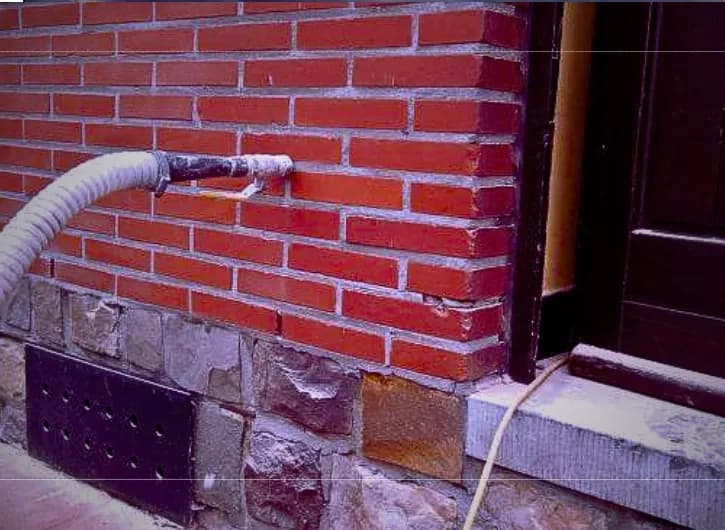
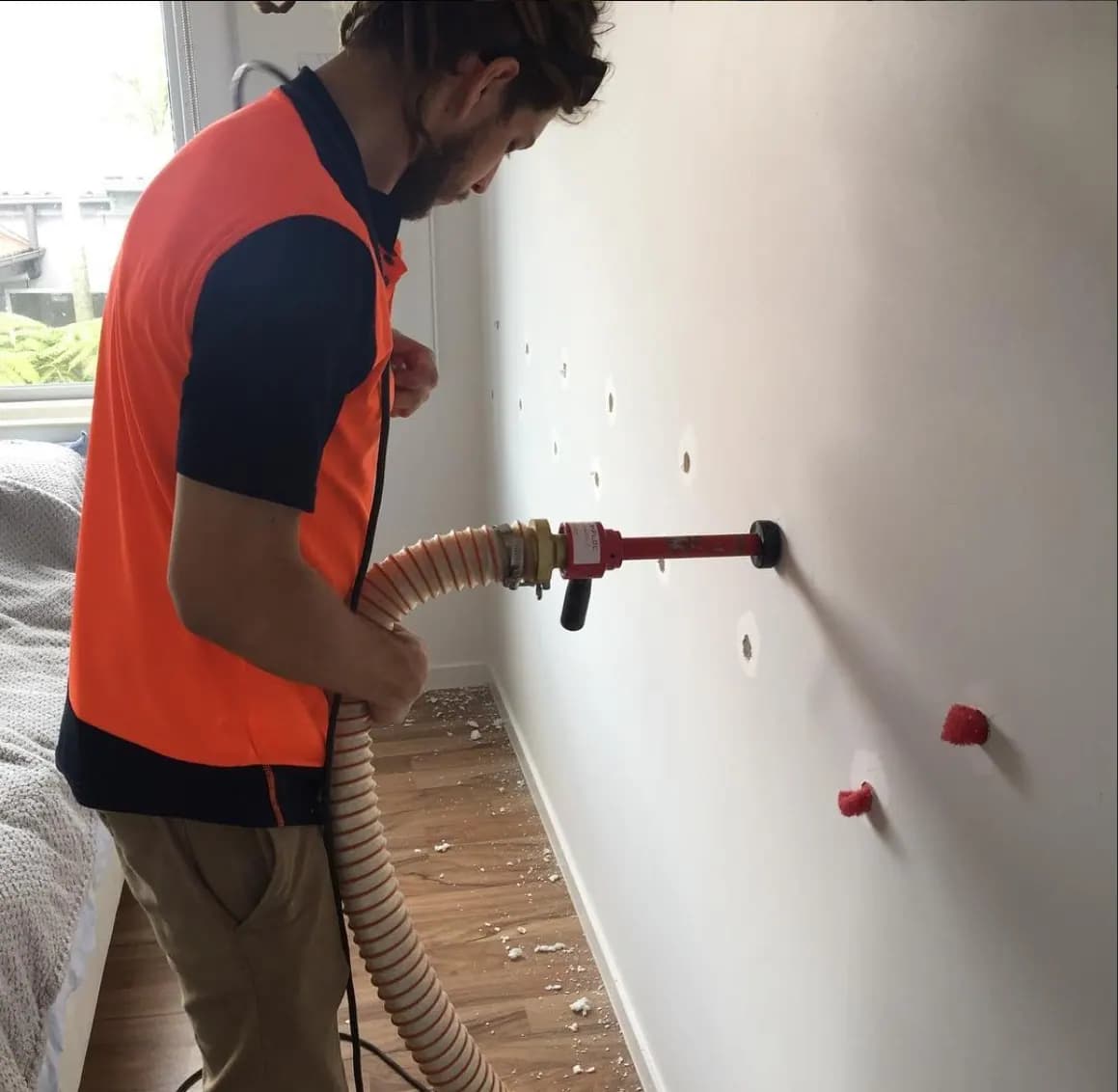
Many Perth homes are double brick, and the cavity between the two skins is usually empty. We retrofit wall insulation into these cavities and into internal plasterboard walls using Knauf Supafil® glasswool. Filling the wall adds radiant heat protection, does not sustain vermin, is cost-effective and brings worthwhile acoustic benefits. It is an ideal solution for existing homes when installed correctly.
Why Perth homeowners choose Insulation Extract
Be comfy
new insulation keeps your home cooler in summer and warmer in winter.
Be healthy
removing old loose-fill takes dust and chemical residues out of your roof.
Be efficient
heating and cooling make up a large share of household energy bills, so better insulation saves money every year.
Be confident
our crews have retrofitted more than 45,000 Australian homes since 2014.
For a free blow-in insulation assessment in Perth, call (08) 9302 2699 or use the quote form on this page.
Frequently Asked Questions
Is blow-in insulation worth it?
Can I install blow-in insulation myself?
Is blown-in insulation better than batts?
Is modern blown-in insulation safe?
Is blown-in insulation cheaper than batts?
How long does blow-in insulation last?
Our Perth services
Helpful resources
- Insulation Cost Guide: What Affects Your Quote | Insulation Extract
- Earthwool vs Bradford vs Pink Batts | Insulation Extract
- Batts vs Blow-in vs Spray Foam | Insulation Extract
- Remove Old Insulation or Top It Up? | Insulation Extract
- Staying Home During Insulation Removal | Insulation Extract
- Understand Insulation R-Value In Perth | Insulation Extract
- How Do I Know If My Insulation Has Asbestos?
- Polystyrene Beads for Insulation In My Home?
- What are the requirements for insulation in WA?
- Why Is My Old Insulation Turning Yellow?
- Government Insulation Finance | Insulation Extract