Cavity Wall Insulation Melbourne
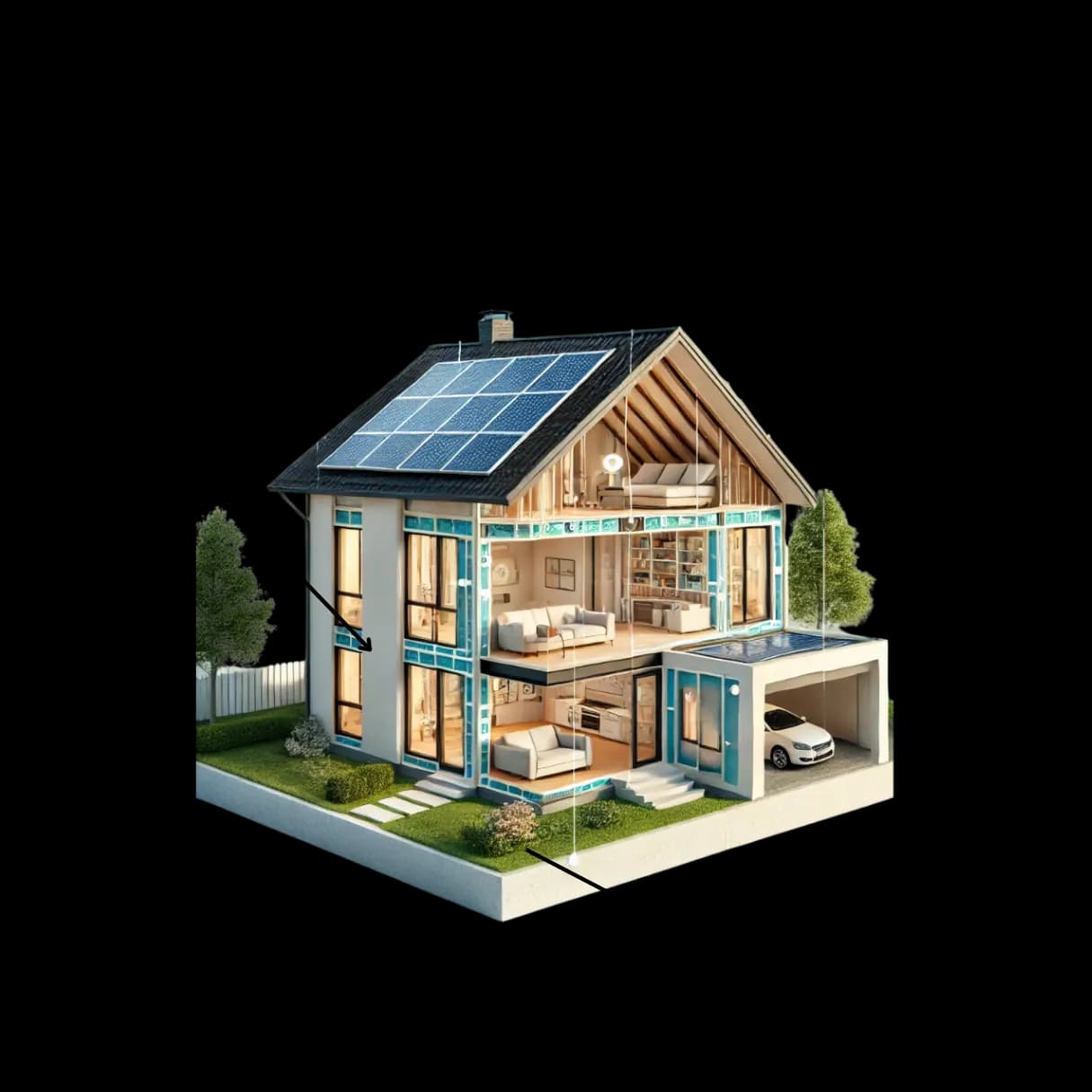
Cavity wall insulation in Melbourne lets you insulate the walls of an existing home without pulling off plaster or cladding. We inject Knauf glasswool into the hollow wall cavity through small, neat holes, slowing the heat that leaks out through uninsulated walls every winter.
Extraction & Batts
Get your free quote
This secure form sends your enquiry to our technical team, and we'll be in contact with you shortly.
Why uninsulated walls make Melbourne homes cold
Once the ceiling is insulated, walls are usually the next biggest source of heat loss. A large share of Melbourne homes built before insulation rules tightened have nothing in their walls at all. On a cold July night, warmth from your heater passes through the plasterboard, across the empty cavity and out through the brick or timber cladding.
In climate zone 6, where heating dominates energy use for much of the year, that constant loss adds up. Insulating the walls helps rooms hold their temperature, reduces cold spots near external walls and windows, and lets your heating cycle off sooner.
Melbourne wall types we assess
Melbourne's mix of construction methods means every wall needs to be checked before we recommend a solution.
Brick veneer
Brick veneer, a timber or steel frame with a single outer skin of brick, has been the most common form of construction across Melbourne's suburbs since the post-war boom. The space inside the frame, between the plasterboard and the brick, is often empty in older homes. Depending on the wall build-up, this can usually be filled from inside or outside with blown insulation.
Timber weatherboard
Victorian, Edwardian and interwar weatherboards across Melbourne's inner north, inner east and older suburbs have stud cavities behind the boards. These can often be insulated by blowing glasswool into each stud bay, either through small holes in the internal lining or by working from the outside.
Cavity brick
Some interwar and post-war Melbourne homes were built with double brick walls and a cavity between the two skins. Where the cavity is clear and in good condition, it can be filled with Knauf Supafil® cavity wall insulation injected through the mortar joints.
Solid brick and bluestone
Many inner-city Victorian terraces and older homes have solid brick or bluestone walls with no cavity. These cannot be filled with injected insulation, and we will tell you so rather than sell you a product that will not work.
How cavity wall insulation is installed
Internal installation
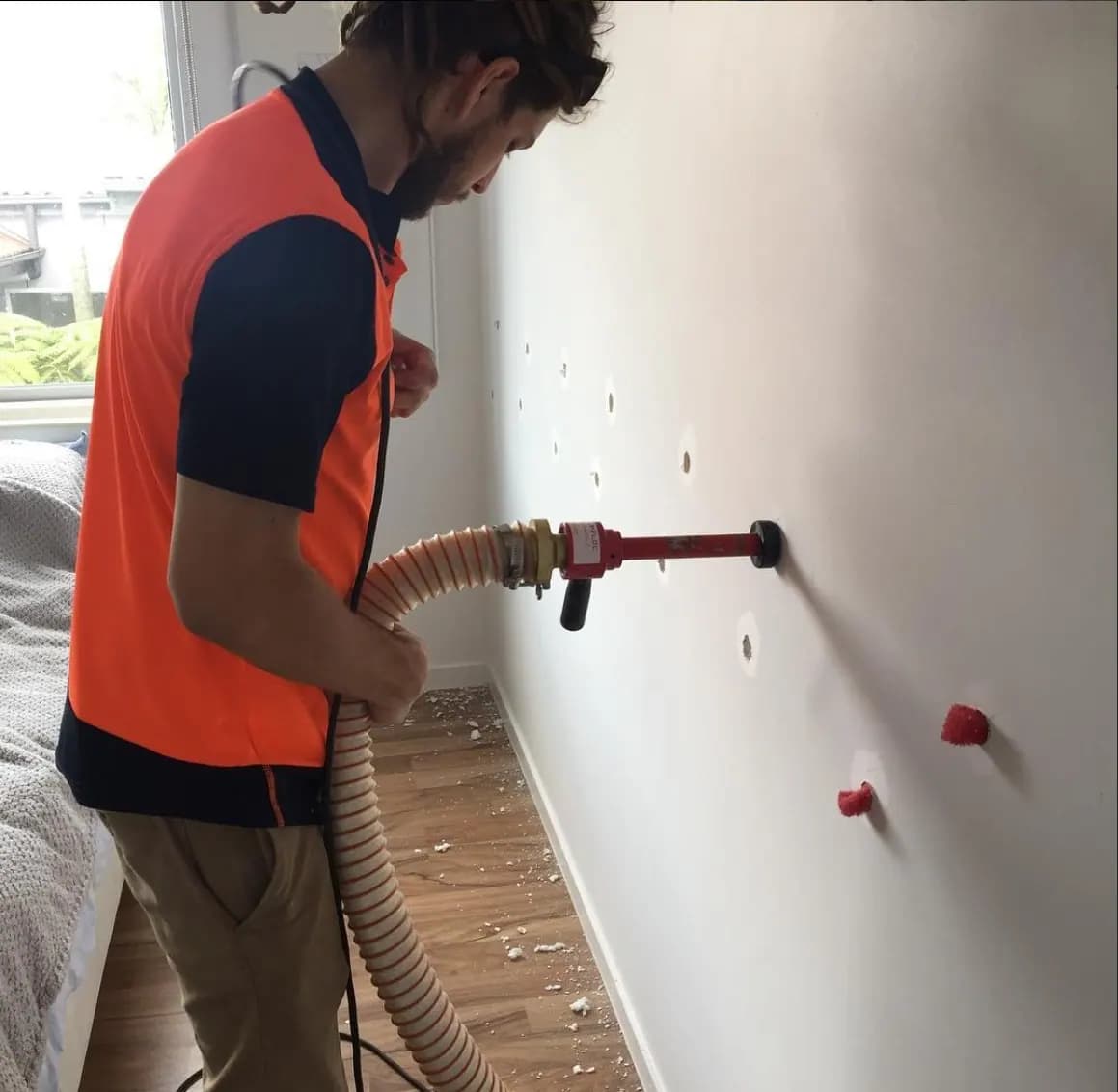
Small holes are drilled through the plasterboard into each wall bay. Insulation is blown in until the cavity is full, then the holes are plugged, patched and ready for painting. This approach is common for brick veneer and weatherboard homes.
External installation
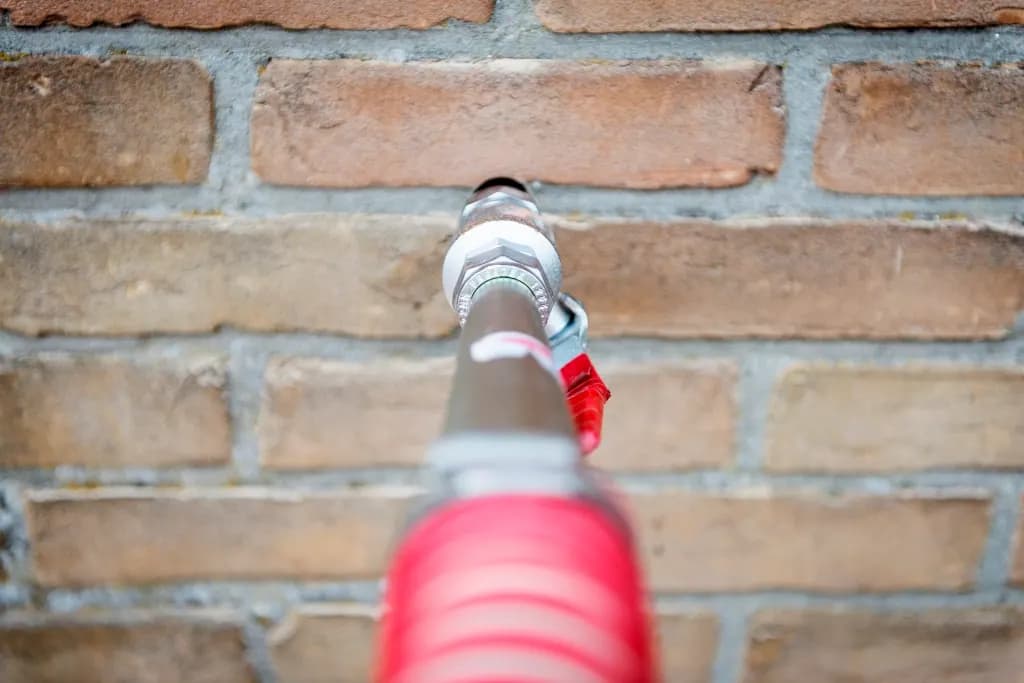
For cavity brick walls, and some veneer walls, holes are drilled in a pattern through the mortar joints. Insulation is injected from outside, then the holes are filled with matching mortar so the finish blends in. You can stay in the home while the work is done.
Benefits of cavity wall insulation
- Warmer rooms in winter and fewer cold spots along external walls
- Slower heat gain through walls on hot summer days
- Lower demand on heating and cooling
- Reduced noise from traffic, trains and neighbours, useful in dense inner suburbs
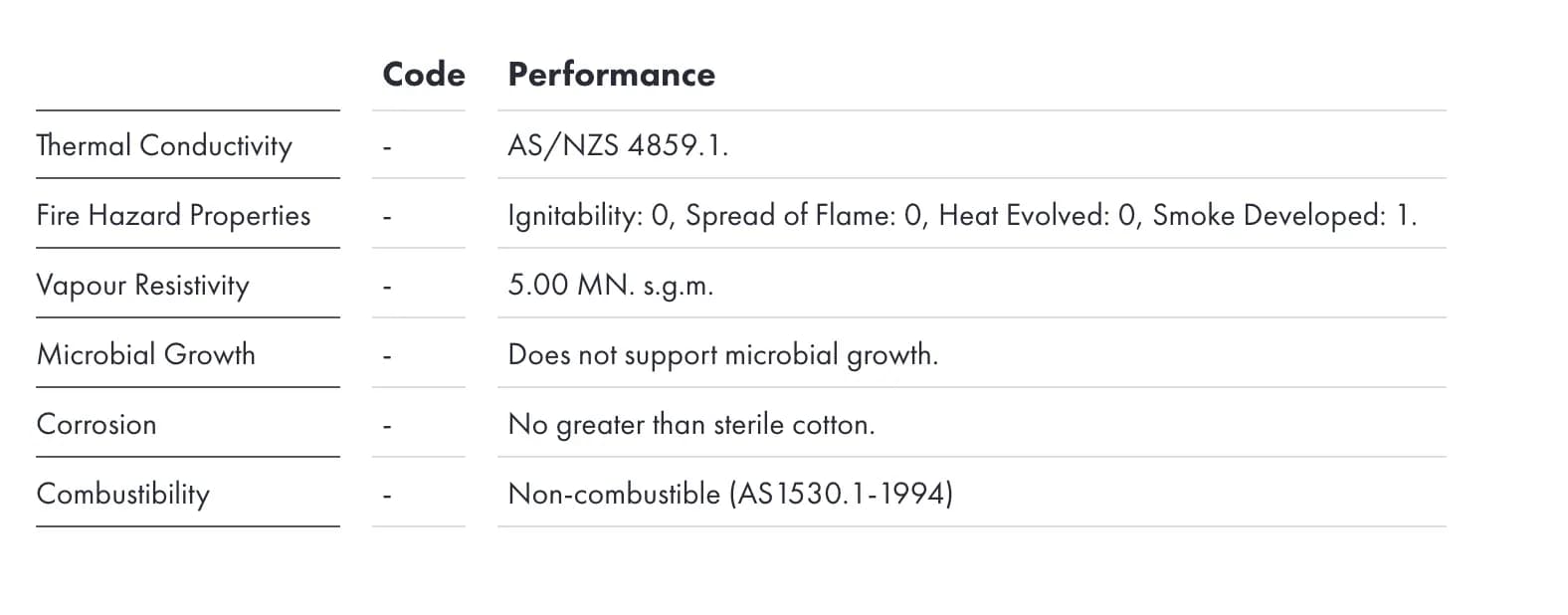
- Glasswool is non-combustible, does not rot and does not attract vermin
- Made with recycled glass for a lower environmental impact
- A retrofit option that avoids stripping walls back to the frame
What to expect on installation day
Cavity wall jobs are designed to be as low-disruption as possible. Our crew arrives with the blowing equipment set up in or near the truck, so the machine noise stays outside. For internal installs, we move furniture away from the walls being treated, lay drop sheets and work room by room. For external installs, we work around the outside of the house with minimal need to come inside.
Holes are drilled in a set pattern so every bay or section of cavity is filled, and each wall is checked as we go. Once the walls are full, holes are plugged and patched internally or refilled with mortar externally, and the work area is cleaned. Internal patches are left ready for painting, and many customers simply touch up the walls once the job is complete. Most families stay at home throughout and notice a difference in how the house holds heat on the first cold night.
Is your Melbourne home suitable?
Not every wall can be insulated this way. Before we quote, we check the construction type, look for signs of damp or rising damp, check cavity width where relevant, and identify services such as wiring and plumbing inside the walls. Damp problems in older Melbourne homes need to be fixed first. If your home was built before 1990, we also check wall linings and any existing materials before drilling. If the walls are not suitable, we will explain why and talk through other ways to improve comfort, such as upgrading ceiling or underfloor insulation.
Cavity wall insulation across Greater Melbourne
Working from our Dandenong South and Campbellfield hubs, we service inner Melbourne, the northern suburbs including Preston, Brunswick and Whittlesea, the eastern and south-eastern suburbs including Bayside and Monash, the western suburbs including Werribee, Sunshine and Point Cook, and further afield to Geelong, the Mornington Peninsula and the Yarra Ranges.
Insulation Extract has retrofitted more than 45,000 Australian homes since 2014. We are part of the Energy Efficiency Group, are EEC certified and run ISO 9001, 45001 and 14001 certified systems. Call (03) 7009 1718 to book a free wall assessment.